
Understand what your users need before you start building
A good digital product starts with understanding who you're creating it for. With user research, we explore your users’ needs, motivations and context. We identify what they are trying to achieve, the problems they experience and the expectations they have. This helps you uncover what’s really going on and where your digital solution can make a difference.


Insight into your users is key to successful digital products.
Ask the right questions before building the wrong solution.

Understand first, then build
Good research prevents you from developing solutions for problems that don't exist. It reveals what users need, which assumptions still need to be validated and where new opportunities lie.
- Gain insight into user needs
Discover what matters to your users, what they expect and what they need. - Make assumptions visible
Identify which assumptions your organisation is making and which ones still need to be validated. - Discover new opportunities
Explore where needs, expectations and unmet needs create opportunities for improvement. - Make informed product decisions
Use user insights to better define priorities, features and product direction. - Reduce development risk
Discover what users truly value before investing time and budget in a solution.
What exactly do we do?
- Define the right research question We don't start with a method, but with what you want to understand or which decision you want to make with greater confidence. This helps us determine which questions the research needs to answer.
- Involve the right users: We identify which users are relevant to the research and make sure their perspectives reflect the target audience and context we want to understand.
- Gather insights: Depending on the research question, we combine different qualitative and quantitative methods, such as interviews, observations, surveys and analysis of existing data.
- Uncover patterns and needs: We analyse what users tell us and put it into the right context. This allows us to identify recurring needs, motivations, expectations and behavioural patterns.
- Translate insights into opportunities: We turn research findings into tangible outputs such as personas, customer journeys, needs, hypotheses and product opportunities. This makes it clear where the biggest opportunities lie.
- Take the next step together: We help you translate insights into concrete decisions for your product, service or digital strategy. This gives your findings a practical starting point for further development.
.jpg)
.jpg)
From research to action
Research shouldn't end in a report. We make sure insights are useful to the people making decisions about your digital product. This turns user insights into a concrete foundation for design, product development and further optimisation.

Van complexe data naar heldere inzichten.


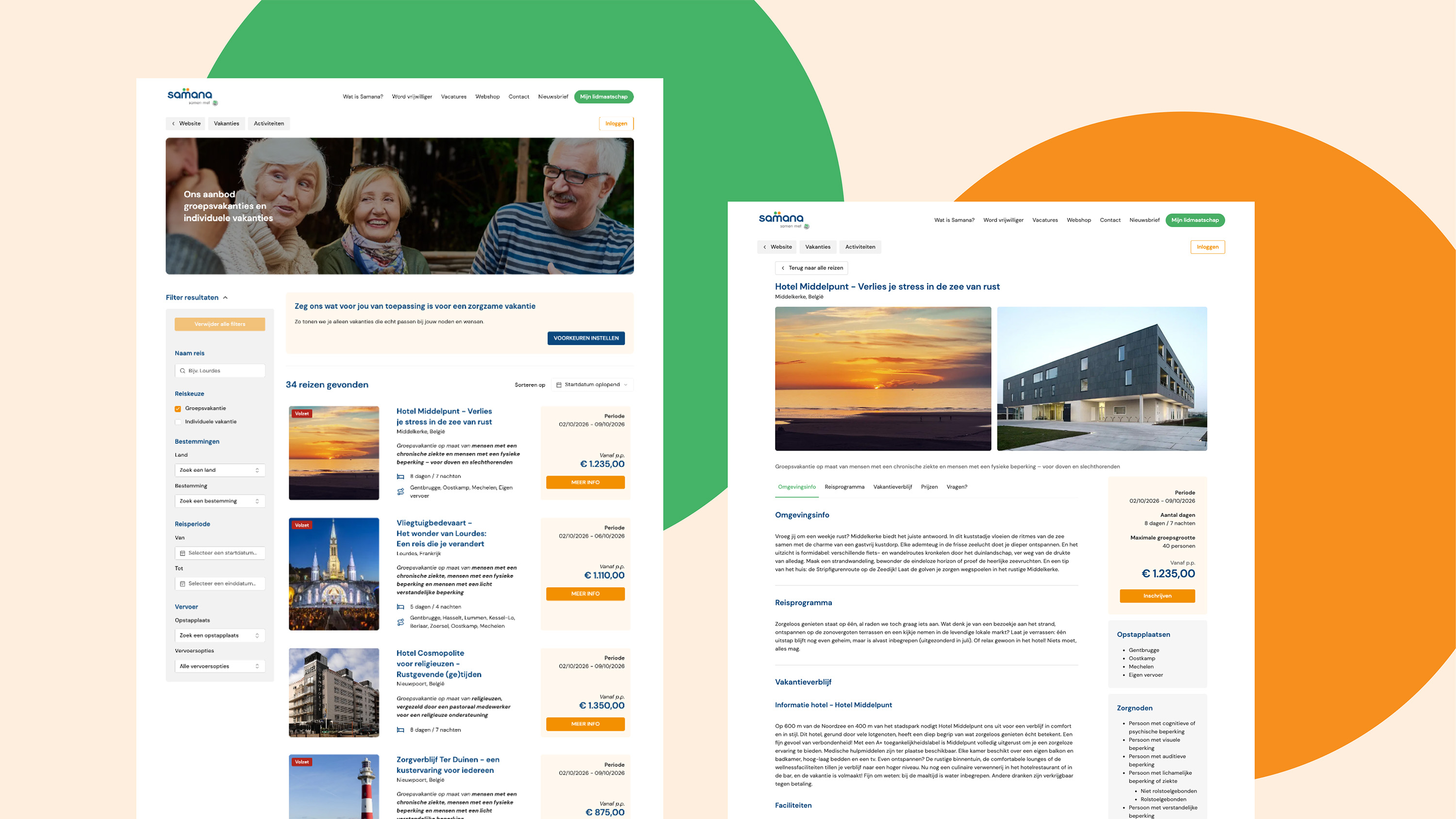


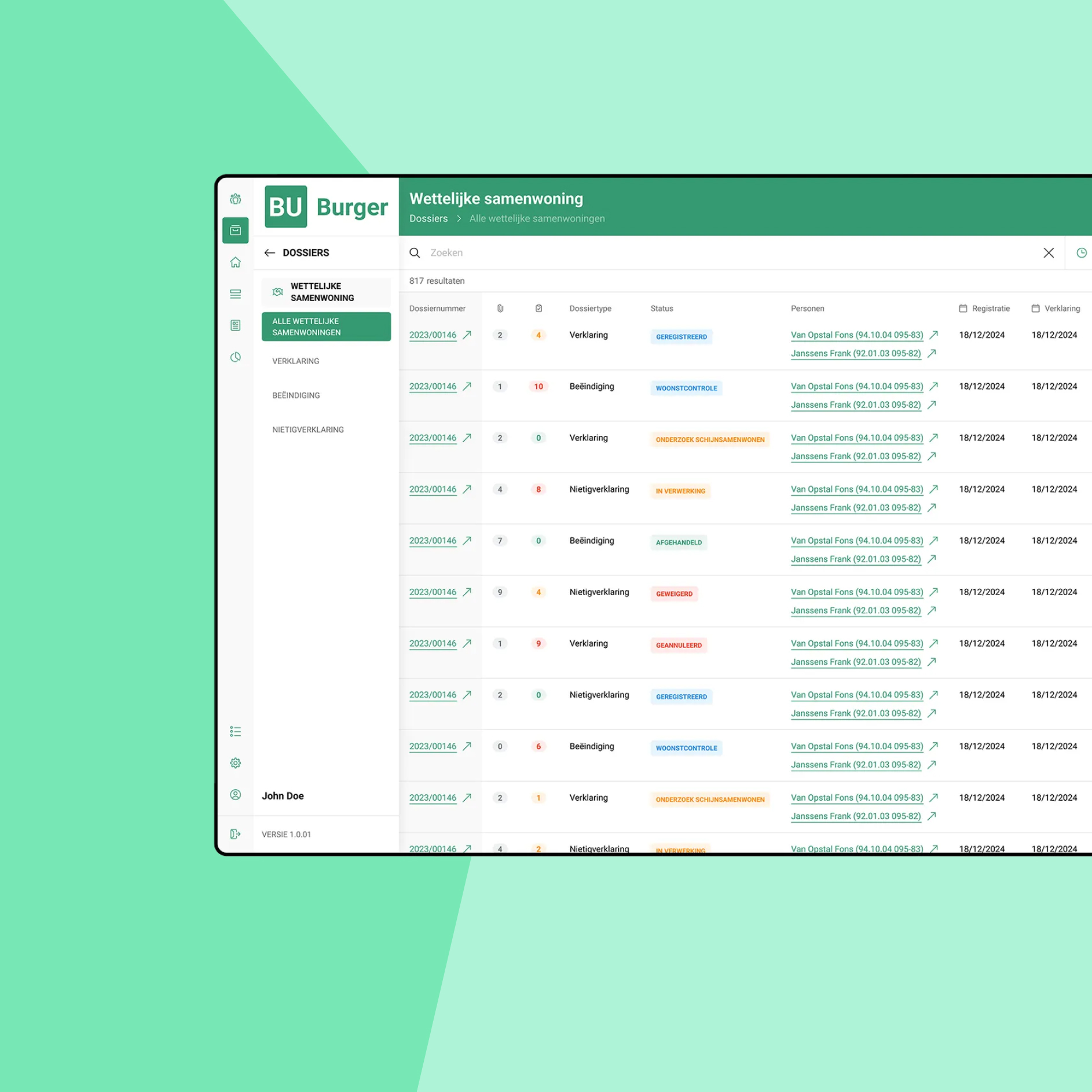
.webp)


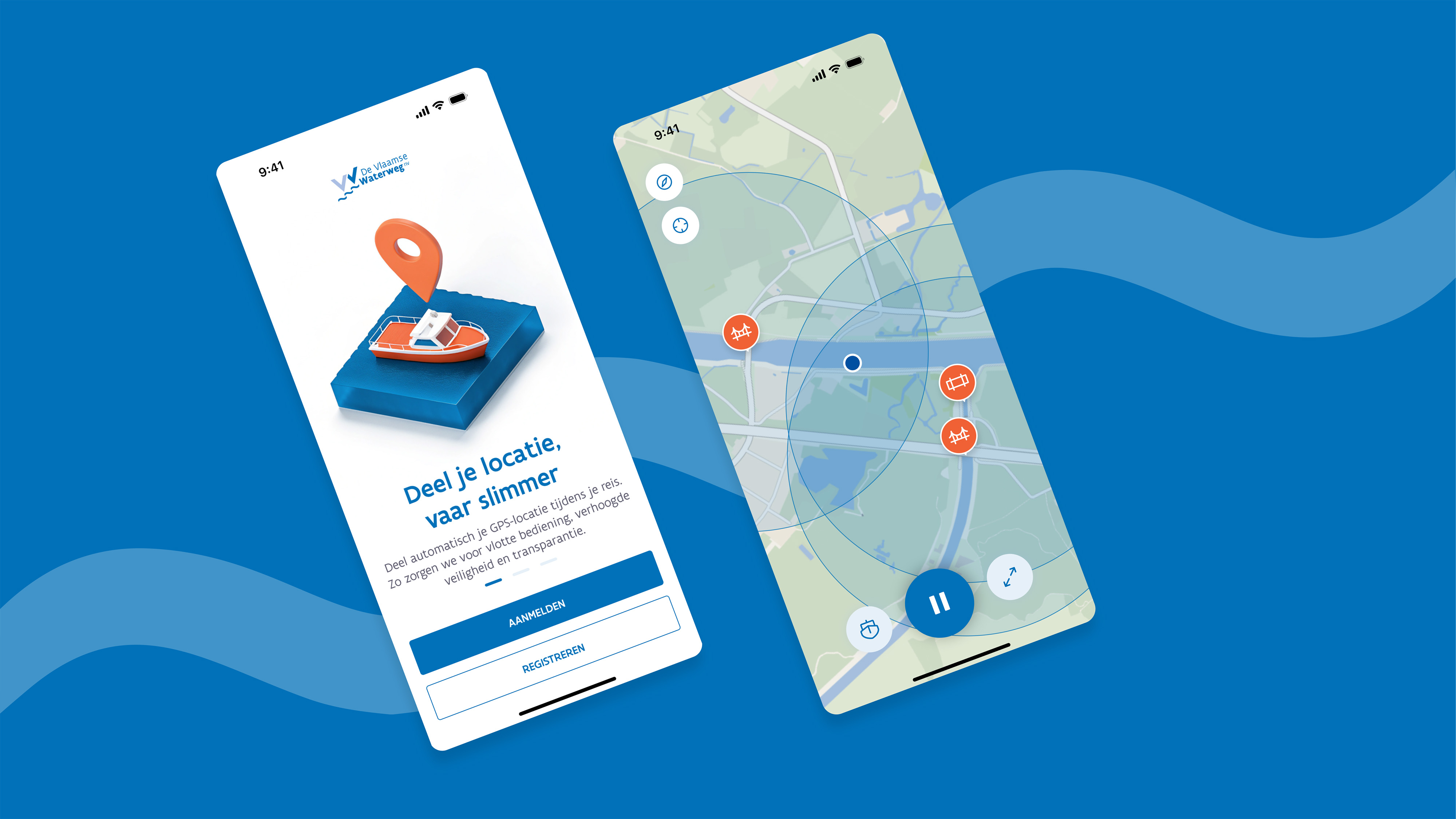




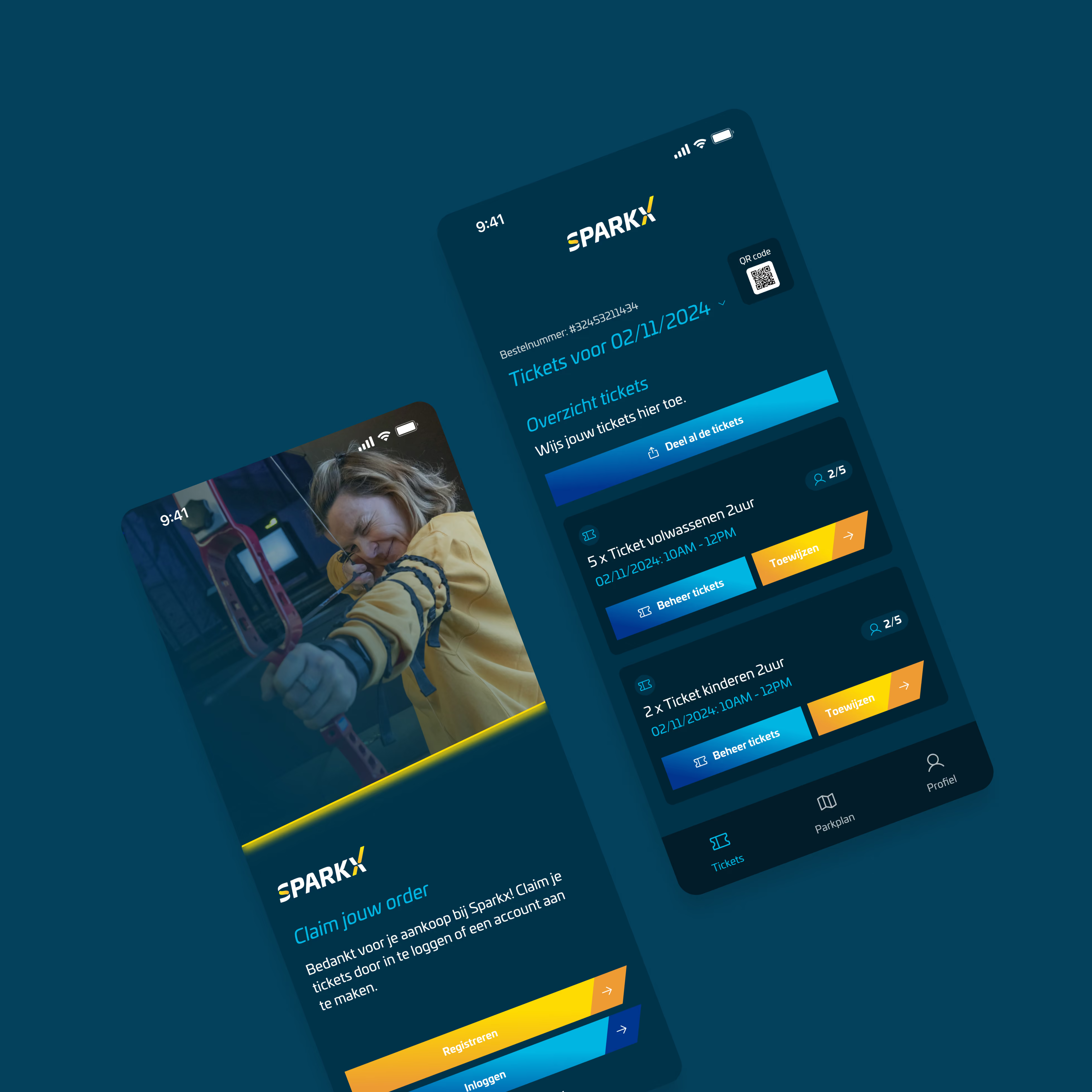


Questions? No problem.
Geen probleem.
We combine qualitative research (such as interviews, observations, and usability tests) with quantitative data (such as surveys, analytics, and A/B tests). The right mix depends on your issue and the phase of your project.
For qualitative insights, 5 users are often enough to discover 85% of the bottlenecks (source: Nielsen Norman Group). Quantitative research requires larger samples (100+ for surveys). We determine sample size based on research goals and desired reliability.
A complete examination takes an average of 4 to 8 weeks. Faster usability tests can be done within 1 to 2 weeks. The investment depends on the scope, but the return is often many times greater than the costs.
User Research is valuable in all phases: early exploration to explore needs, during development for iterative improvement, and post-launch for optimization. We recommend continuous research for continued user orientation.
By focusing on useful results from the start, we involve the right stakeholders, present insights in a visual and accessible way, and help translate them into concrete actions in design and development.
User research investigates how people actually behave, what their needs are and in what context they use digital products. Market research focuses more on opinions, preferences and purchasing behavior in a broader sense. While market research mainly provides insight into what people say or want, user research reveals why people do what they do. The results can be directly applied to design and product development.
Yes, many research methods work great remotely. Think of digital interviews, online surveys, remote usability testing and virtual observations. Online research offers greater reach and flexibility, while face-to-face research enables deeper empathy.
User research is of great value for organizations that are working on digital innovation, developing complex systems or competing in a market where user experience makes the difference. Companies with high costs for customer acquisition or with a strong focus on innovation also benefit directly from insights from well-conducted user research.
The success of a research process is reflected in both immediate results and strategic impact. Consider the number of useful insights, the quality of the personas and scenarios developed, and the extent to which those insights are actually applied. At the organizational level, it's about improved conversion, higher customer satisfaction and faster development with less risk. Long-term user-focused organizations are demonstrably performing better than their competitors.
We'll support you from start to finish: we'll start exploring where you can learn more about your users, plan the best research methods together, conduct the research carefully, ensure that the insights are applied immediately, and train your team so that you can continue to grow in user-centered work.
Do you want to make sure that your digital products are a perfect match for your users?
We help you with user research to gather valuable insights that will make your projects successful.